

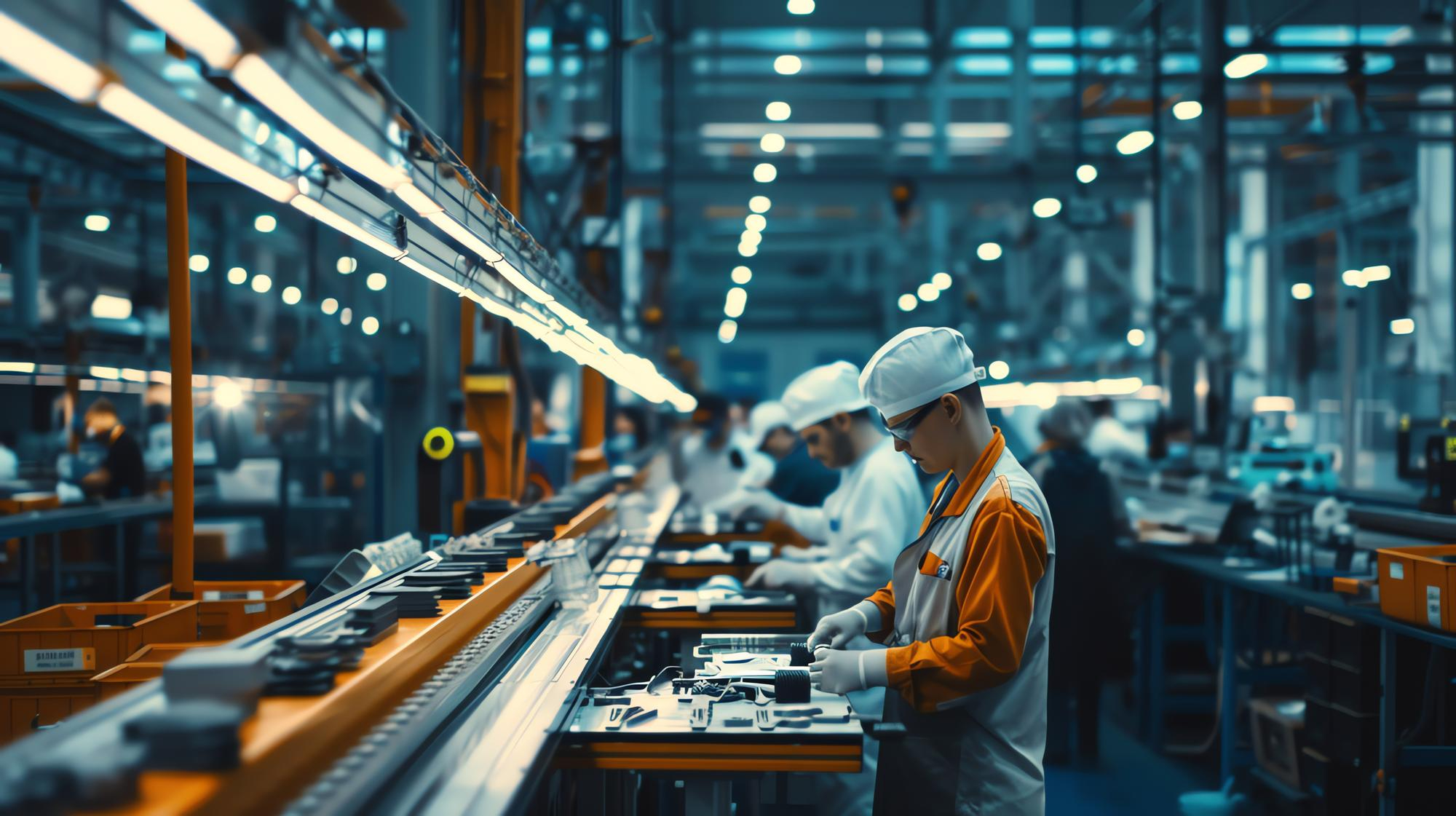
Investing in new or used manufacturing machinery is essential for boosting productivity,
upgrading technology, and staying competitive. However, high costs of CNC machines,
robotics, assembly lines, and other industrial equipment can strain cash flow.
Manufacturing machinery financing provides flexible solutions to acquire the equipment
you need while preserving working capital.
This guide covers key financing options, requirements, due diligence steps
(including UCC filings), insurance needs, and practical tips for manufacturers.
or legal advice. Consult with lenders, accountants, and attorneys for your specific situation.
Why Manufacturing Machinery Financing Makes Sense
Modern manufacturing demands constant upgrades in automation, precision equipment,
and efficiency tools. Financing allows you to:
- Spread costs over time instead of large upfront payments
- Preserve cash for operations, inventory, or expansion
- Potentially benefit from tax advantages (consult your tax advisor)
- Access the latest technology without waiting
Whether you’re a small machine shop or a large production facility, the right
financing structure can accelerate growth.
Top Manufacturing Machinery Financing Options
1. Equipment Loans / Term Loans
Borrow a lump sum to purchase the machinery outright. The equipment typically
serves as collateral.
- Terms: Often 24–84 months
- Benefits: You own the equipment from day one; fixed payments
- Ideal for: High-value CNC machines, presses, and long-life industrial equipment
2. Equipment Leasing
Rent the machinery for a set period with options to purchase at the end
(e.g., $1 buyout or fair market value).
- Benefits: Lower monthly payments, flexibility to upgrade, potential tax deductions
- Good for: Rapidly evolving technology or shorter-term needs
3. SBA Loans (Including 7(a) or 504)
Government-backed financing with competitive rates and longer terms.
Often used for larger manufacturing investments.
4. Vendor / Manufacturer Financing
Financing directly through the equipment seller or manufacturer.
Frequently offers promotional rates or incentives.
5. Lines of Credit or Asset-Based Lending
Flexible funding using equipment, inventory, or receivables as collateral.
including CNC, fabrication, packaging, robotics, and more.
Key Requirements and Due Diligence for Approval
Lenders evaluate:
- Business time in operation and revenue
- Personal or business credit
- Down payment (often 0–20%)
- Equipment details (invoice, serial numbers, manufacturer)
Important Steps:
- Perform UCC searches to check for existing liens on the equipment or your business assets.
- Verify clear title and ownership documentation.
- Prepare financial statements, tax returns, and equipment quotes.
Lenders often file a UCC-1 financing statement to secure their interest in the machinery.
Equipment Insurance Needs for Financed Machinery
Lenders almost always require equipment insurance (also called inland marine
or contractor’s equipment coverage) as a condition of financing.
Typical coverage includes:
- Physical damage, theft, fire, and vandalism
- Lender listed as loss payee
- Coverage for the full replacement value
Review deductibles, transportation coverage, and ensure continuous coverage
throughout the financing term.
Benefits of Financing Manufacturing Equipment
- Cash flow preservation: Keep capital available for raw materials, labor, and opportunities.
- Tax advantages: Potential Section 179 deductions or bonus depreciation (consult a tax professional).
- Faster growth: Upgrade production capacity quickly.
- Hedge against inflation: Lock in equipment costs today with fixed payments.
Red Flags and Best Practices
- Avoid deals with unclear ownership or unresolved liens.
- Compare multiple lenders for rates, terms, and flexibility.
- Factor in total costs: interest, fees, insurance, and maintenance.
- Align financing term with the equipment’s useful life.
- Work with experienced lenders who understand manufacturing needs.
FAQ: Manufacturing Machinery Financing
1. Can I finance used manufacturing machinery?
Yes. Most lenders offer used manufacturing machinery financing with competitive terms.
The machine must be in good condition, and lenders will typically require an appraisal
or inspection for higher-value equipment.
2. What are typical down payment requirements?
Down payments usually range from 0% to 20%, depending on your credit,
business history, and the type of equipment.
3. How long are financing terms for manufacturing equipment?
Terms typically range from 24 to 84 months. Longer terms (up to 10 years)
are available for very expensive production lines or through SBA loans.
4. What credit score do I need to qualify?
Most lenders look for a minimum FICO score of 600–650. However,
applicants with lower scores may still qualify with strong business
revenue or by working with alternative and specialty lenders.